The Courage to Remain Yourself
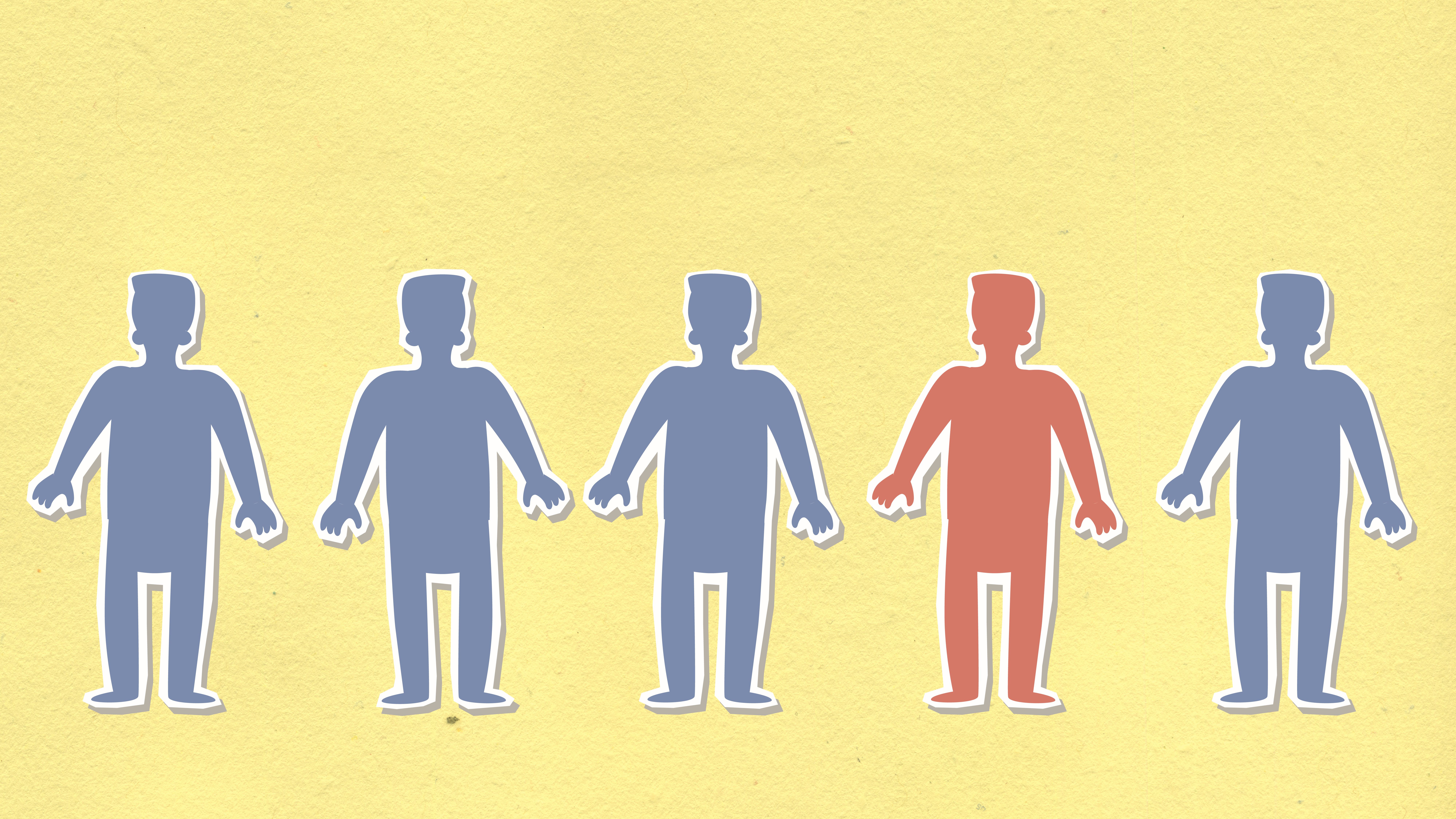


Peer Pressure and Self-Trust: The Courage to Say No Without Apologizing
A few nights ago, a new friend called me a prude while we were driving home after dinner.
She said it more than once, joking about the fact that I had never tried drugs in my thirty-eight years of life while speaking almost proudly about her own early experiences with them.
Perhaps she meant it playfully. Perhaps it was an attempt at humor or social bonding. Perhaps shrinking me soothed something in her. But the word stayed with me long after the conversation ended.
Not because I believe experimentation makes someone reckless or unworthy. For many people, that kind of risk-taking is part of adolescence, curiosity, rebellion, or simply growing up.
What hurt was the implication that choosing differently made me rigid, boring, or somehow less evolved.
The truth is more complicated than that.
I did not avoid drugs because I was afraid of life. I avoided them because I valued mine.
At the University of Texas at Austin, I studied nutritional sciences while completing my pre-med requirements. I understood enough about the body and brain to know that I did not want to gamble with either simply because other people considered experimentation a rite of passage.
My intelligence, competence, and discipline were central to how I understood myself—perhaps, at times, too central. But they were also the parts of me that helped me survive, achieve, and build the life I wanted.
I drank socially. I went out. I danced my heart out with friends. I was never sitting alone in a dorm room judging everyone around me.
But I knew something about myself early: I did not want to use substances to escape pain, numb emotion, avoid responsibility, or leave my own reality, even temporarily.
That instinct was deeply ingrained in me.
It still is.
When Self-Trust Becomes the Punchline
What unsettled me most was not the word itself.
It was realizing that a decision requiring genuine self-trust at a pivotal age could later be reduced to a joke.
At an age when belonging can feel like survival, I listened to myself instead of the room. And instead of that being respected—or even met with neutrality—it was mocked.
I was caught off guard. I laughed awkwardly, rambled, let the comment pass, and only later felt the words I wished I had said rise inside me.
I regret not correcting her.
Not because her choices needed criticizing, but because mine deserved honoring.
I was not a prude.
I was simply uninterested—and clear about what did and did not belong in my life.
The Friends Who Respected My Boundaries
Thinking about that night brought me back to college.
UT Austin was full of people who studied hard and partied harder. Some of my friends experimented with drugs. Some did not. But no one pressured me.
No one made me feel childish, sheltered, or inferior for declining. If anything, many of them were protective of me. They respected my boundaries without ever treating them as something to challenge or overcome.
To any of those friends who may someday read this: thank you, from the bottom of my heart, for allowing me to remain myself.
Thank you for understanding that friendship never required identical choices.
At the time, that kind of respect may have seemed ordinary.
At thirty-eight, I understand exactly how rare and meaningful it was.
A Message to Young Adults Facing Peer Pressure
This is for the young person who feels out of place because risk-taking does not excite them.
For the student who values their brain, body, goals, or future too much to take a risk they never genuinely wanted to take.
For anyone who has been called boring, sheltered, uptight, or prudish for simply not participating.
You do not have to experiment with everything to understand life.
You do not have to cross your own boundaries because the culture around you has decided something is normal.
Normal does not automatically mean right for you.
There is courage in being the only person at the table who says no.
There is courage in tolerating the discomfort of not fitting in.
There is courage in allowing people to misunderstand you rather than abandoning yourself to make them comfortable.
Sometimes courage looks like taking a risk.
Sometimes it looks like refusing one.
Peer Pressure Does Not End in Adulthood
It simply becomes more subtle—and often more sophisticated.
It can sound like teasing, one-upmanship, comparison, or a casual remark meant to make your choices seem smaller.
It looks like someone questioning why you do not drink more, go out more, loosen up, stay out later, or cross a boundary that matters to you.
Even well into adulthood, we can still feel pressure to prove that we are fun, open-minded, adventurous, or easygoing.
And sometimes we freeze.
The right words come later, after the moment has passed.
That does not mean we failed.
Sometimes delayed discomfort is simply a boundary becoming conscious—the mind quietly telling us: Next time, do not abandon yourself to preserve the mood.
Your Younger Self May Have Protected You
At thirty-eight, I do not look back wishing I had taken more risks simply to prove I was adventurous.
I am grateful that I trusted myself.
I am grateful for the habits, boundaries, and self-respect I built before I fully understood how valuable they would become.
This is not an article about moral superiority.
It is about challenging the idea that recklessness is interesting while restraint is embarrassing.
Some of the most important decisions of our lives happen quietly, without recognition or applause.
And learning to trust your own no can protect you far beyond drugs or alcohol.
It can protect you in friendships.
In relationships.
In workplaces.
In rooms where other people mistake your boundaries for judgment.
You can respect someone else’s story without apologizing for your own.
You are allowed to say: That may have been a joke to you, but it diminished something I am proud of.
I am proud that my younger self did not confuse danger with freedom.
And to the young person making a similar choice right now: your future self may one day look back with profound gratitude.
It is not prudish to protect what matters to you.
It is not boring to live consciously.
And it is not weakness to face pain directly—with support, therapy, care, reflection, and honest relationships rather than habits you may later spend years unlearning.
Remaining yourself was never something to be embarrassed by.
It may have been one of the bravest things you did.

Related posts


.jpeg)

.svg)
.svg)
.avif)
.svg)
.svg)
.svg)

