Why Women Feel More Beautiful During Ovulation


It’s Not Just Hormones—It’s Presence, Perception, and Something Deeper
There are certain days in the month where something shifts.
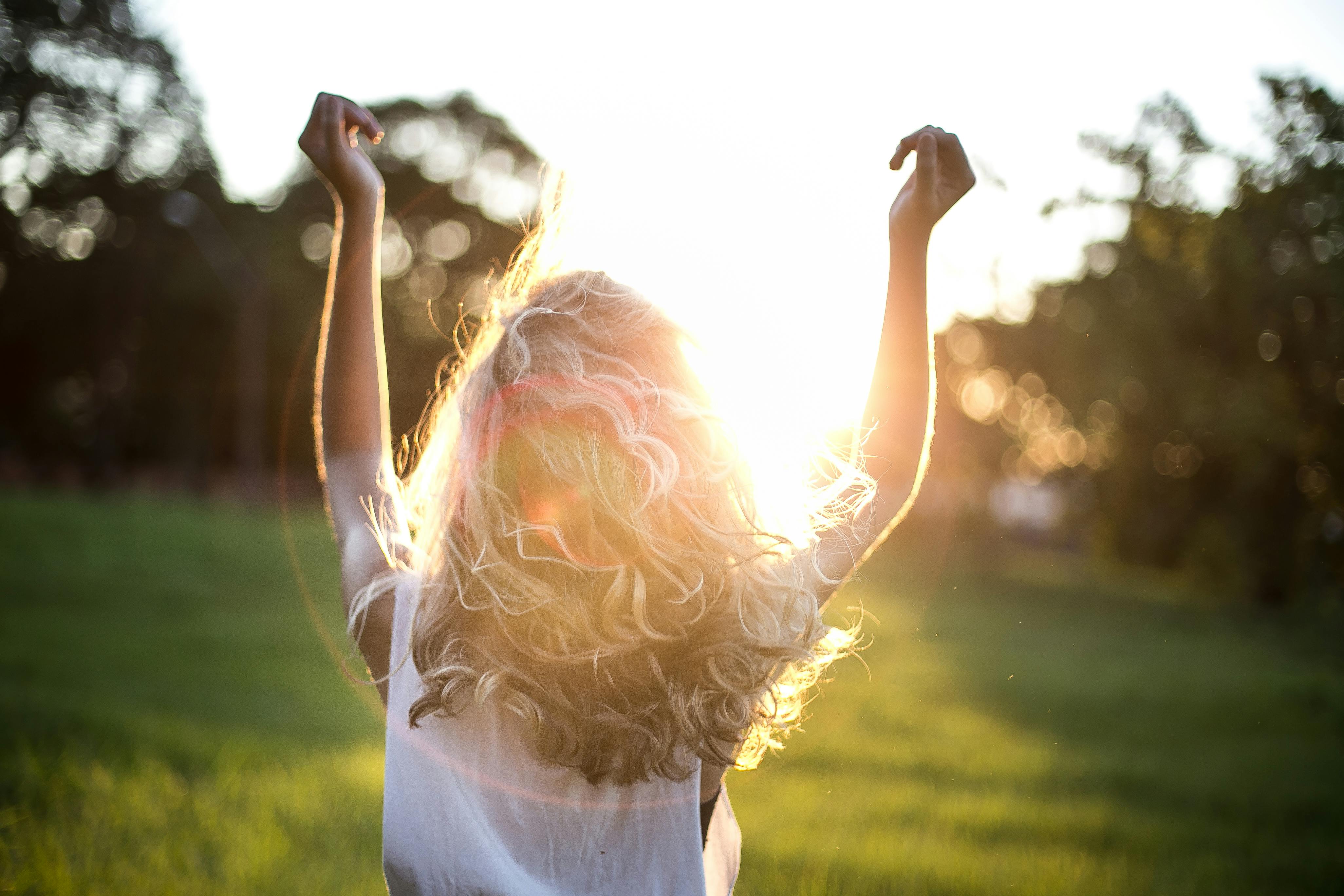
You catch your reflection and pause a little longer. Your skin looks different. Your energy feels different. You feel… more like yourself. More alive. More confident. More seen.
For many women, this happens during ovulation.
But this isn’t just about hormones in a surface-level way. It’s about the way biology, psychology, and identity briefly align—and how that changes not only how you look, but how you experience yourself.
The Biological Shift: When the Body Turns Toward Vitality
During ovulation, estrogen peaks.
And estrogen doesn’t just regulate reproduction—it influences how you appear:
- Skin often looks clearer, more hydrated, more luminous
- Lips may appear slightly fuller
- Eyes can look brighter
- Subtle facial symmetry improves
- Even body scent shifts in ways others unconsciously perceive as more attractive
These changes are real—but they are micro. Most people wouldn’t consciously point them out. And yet… they feel noticeable.
Because something else is happening underneath.
You Don’t Just Look Different—You Feel Different
Ovulation also affects the brain.
Higher estrogen levels influence neurotransmitters like dopamine and serotonin, which are tied to:
- Motivation
- Confidence
- Social openness
- Pleasure and reward
So it’s not just that your face or body changes. Your internal state shifts.
You may notice:
- You speak more freely
- You make more eye contact
- You feel less self-conscious
- You move through the world with more ease
This is where beauty becomes less about appearance—and more about presence.
The Subtle Power of Behavior
What often gets overlooked is this: Attraction is not static. It’s dynamic.
During ovulation, women often (without realizing it):
- Smile more
- Hold eye contact longer
- Carry themselves with more openness
- Express themselves more fluidly
These micro-shifts change how others respond to you. Not because you’re “trying”—but because your nervous system is less guarded, more engaged, more available.
And people feel that.
The Evolutionary Layer (That Still Lives in Us)
From an evolutionary perspective, ovulation is the window of highest fertility.
So the body naturally shifts toward:
- Increasing attraction
- Enhancing visibility
- Signaling vitality
Not consciously. Not performatively. But biologically. Your system is, in a sense, saying: “I am alive. I am open. I am here.” And that signal translates into what we experience as beauty.
But Here’s the Deeper Truth Most People Miss
The reason you feel more beautiful during ovulation isn’t just because others might perceive you differently. It’s because you perceive yourself differently. And that changes everything.
When you feel more attractive:
- Your posture shifts
- Your voice softens or strengthens
- Your energy expands instead of contracts
You are not hiding. You are not bracing. You are not second-guessing every move. You are in yourself. And that state is inherently magnetic.
A Psychodynamic Perspective: Beauty as Aliveness
If we go deeper, ovulation can temporarily reconnect women to something that often gets suppressed:
- A sense of desirability
- A sense of embodiment
- A sense of being fully in their body rather than managing it
For some, this feels empowering.
For others, it can feel more complex:
- being more seen can bring vulnerability
- feeling more open can stir anxiety
- increased attention can activate old relational patterns
So this “beauty” isn’t just aesthetic. It’s relational. Emotional. Psychological. It’s what happens when your internal world becomes less defended—and more expressed.
What This Reveals About Beauty (Beyond Ovulation)
Ovulation doesn’t create beauty.
It reveals what happens when:
- your body feels regulated
- your mind feels clear
- your identity feels aligned
- your energy isn’t constrained by self-protection
In other words: Beauty is not just how you look. It’s how much of yourself is available. Ovulation is just one moment where that availability naturally increases.
The Real Question
What would it look like to feel that way outside of ovulation?
Not artificially. Not performatively.
But through:
- deeper self-awareness
- nervous system regulation
- healing relational patterns that keep you guarded
- becoming more grounded in who you are
- cultivating a steady sense of gratitude
Because the goal isn’t to chase a phase of your cycle. It’s to understand what that phase reveals about you—and how to access more of it, consistently.
DId this resonate?
If you find yourself feeling more confident, open, or connected during certain phases—and more guarded or disconnected in others—there’s often a deeper pattern underneath. In my work as a therapist in Denver, I help individuals understand the emotional, relational, and physiological patterns that shape how they experience themselves and others.
You don’t have to feel like yourself only part of the time.
👉 Learn more or schedule a session: IliriaTherapy.com

Related posts

.jpeg)
.svg)
.svg)
.avif)
.svg)
.svg)
.svg)

