I Came From a Life, Not a Void: Reclaiming the Immigrant Story Beyond Survival


Immigration, Loss, and the Stories We Flatten
When people learn that I immigrated to the United States from Albania, their reaction is often shaped by sympathetic assumptions.
They imagine poverty.
They imagine desperation.
They imagine a family with nothing to lose.
And sometimes, without realizing it, they imply that America saved us.
That story is not mine.
I Did Not Come From Poverty — I Came From a Life
My family was not homeless or impoverished in Korca, Albania.
We were not living in ruins or fleeing starvation.
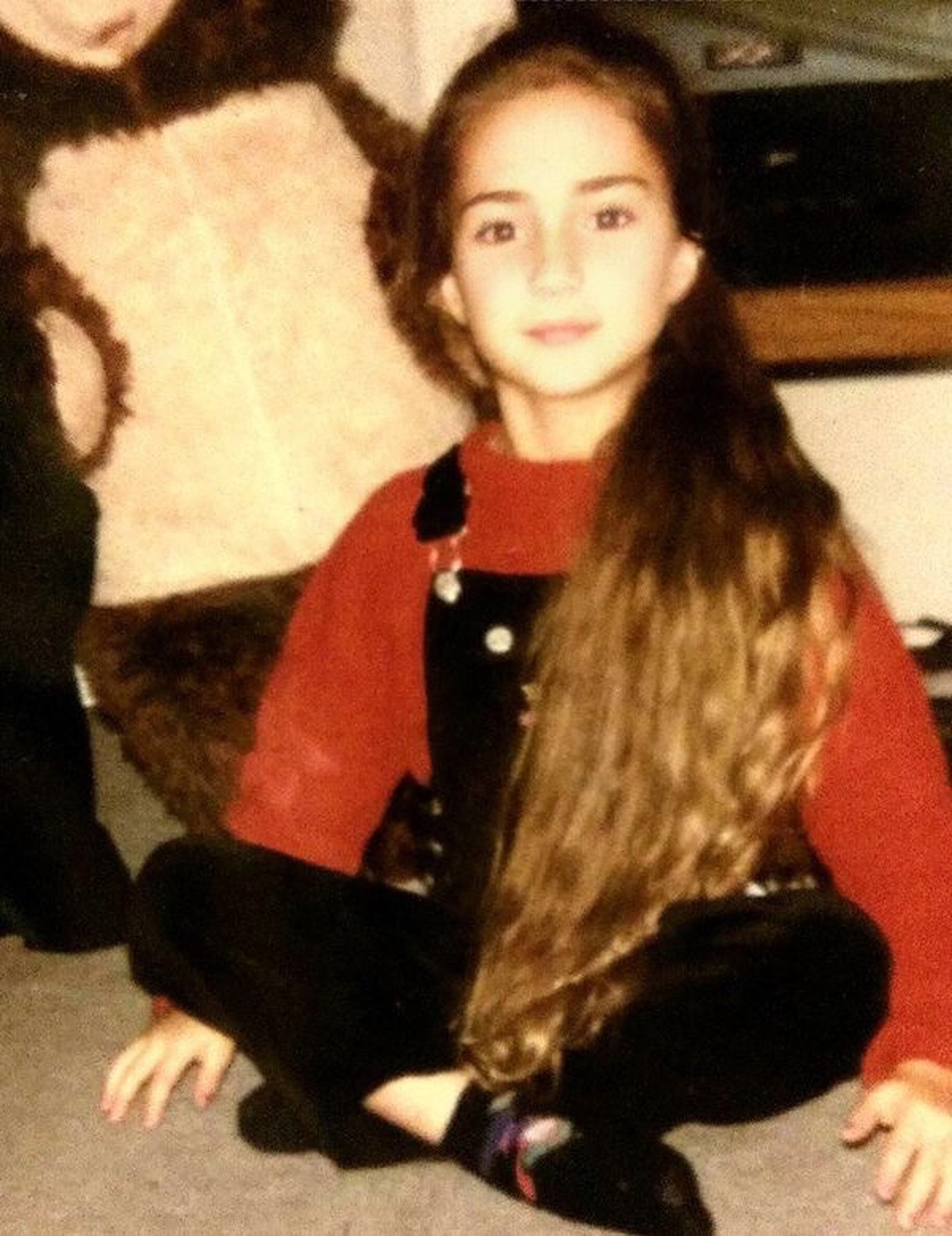
I had a childhood filled with friends, family, laughter, and belonging.
We had routines. We had community. We had history.
We had a full life.
What we didn’t have was certainty.
Leaving Albania Was Not an Escape — It Was a Rupture
In 1997, Albania entered a period of civil war and social collapse.
Institutions failed. Safety became unpredictable.
The future felt fragile in a way no parent wants their child to inherit.
We didn’t leave because we had nothing.
We left because what we had no longer felt safe to protect.
There is a profound psychological difference between escaping deprivation and leaving a life that already had roots.
One story is about survival.
The other is about rupture.
The Hidden Loss of Immigration No One Talks About
When you flee poverty, the narrative is often framed as rescue.
When you leave a homeland that still holds meaning, the loss is quieter—and harder to explain.
You don’t just lose stability.
You lose:
- a language that held you
- a culture that mirrored you
- people who knew your family history
- a sense of place that didn’t require translation
This kind of loss doesn’t fit neatly into the immigrant success story.
So it often gets flattened into one.
The Green Card Lottery, Waiting Rooms, and Silent Pressure
We immigrated through the green card lottery. We endured multiple rounds of interviews at the U.S. embassy.
Our future hinged on paperwork, waiting rooms, and the judgment of strangers who knew nothing of our lives beyond what fit inside a file.
There was hope, but it was fragile.
There was fear, but it had nowhere to land.
And hovering over everything was an idea placed carefully on a pedestal: America as the land where dreams come true.
That pedestal carried invisible expectations.
To be grateful.
To be quiet about loss.
To translate struggle into success as quickly as possible.
What rarely gets said is this: our life in America was harder, more stressful, and more unsettled than anything we had known before.
Security did not arrive all at once.
Belonging did not come easily, if at all.
Stability was something we were expected to earn while still learning the language to ask for it.
My childhood did not slowly fade, it stopped.
It stopped under the weight of responsibility, vigilance, and the unspoken understanding that there was no room for collapse. When you are granted entry to a “promised land,” complexity is often seen as ingratitude.
So grief went unnamed.
Confusion went internalized.
And the pressure to succeed replaced the safety to simply be.
Gratitude Does Not Erase Grief
Opportunity does not cancel displacement.
Safety does not mean nothing was lost.
What hurts most is not misunderstanding, it is being unseen.
When people respond to my story with condescension, they are not seeing my family’s dignity. When they say America saved us, they erase my parents’ agency. When they assume deprivation, they erase a childhood that was real, relational, and meaningful.
They replace my history with a script. And that is where the anger comes from.
Why I Refuse the “Rescue” Narrative
Not because I reject what this country offered or what my family and I earned through discipline and hard work, but because I refuse to let where I came from be framed as a deficit.
I did not come from nothing. I came from something that was disrupted by history. My family’s story is not one of rescue. It is one of choice made under uncertainty. Of leaving something loved to protect a future not yet guaranteed. That is not a tragedy-only story. And it is not a triumph-only story. It is a human one.
What I Wish People Asked Instead
Not: “Are you grateful you escaped?”
But: “What was your life like there?”
Because curiosity leaves room for truth.
And truth leaves room for dignity.
I don’t want my past framed as hardship alone.
I want it understood as a real place where a real child lived a real life, before history intervened.
If this story resonates, you’re not alone. Many first-generation adults and immigrants carry complex grief, identity questions, and unspoken pressure long after resettlement.
Therapy can be a place where your full story is held, without being reduced to survival, gratitude, or resilience alone.
At Iliria Therapy & Consulting, I work with immigrants, first-generation adults, and high-functioning individuals navigating identity, displacement, and belonging.
Learn more or schedule a consultation at iliriatherapy.com or email me directly at: kamela@iliriatherapy.com

Related posts
.jpeg)



.svg)
.svg)
.avif)
.svg)
.svg)
.svg)

